
 Mesquite, TX
Desoto, Mesquite
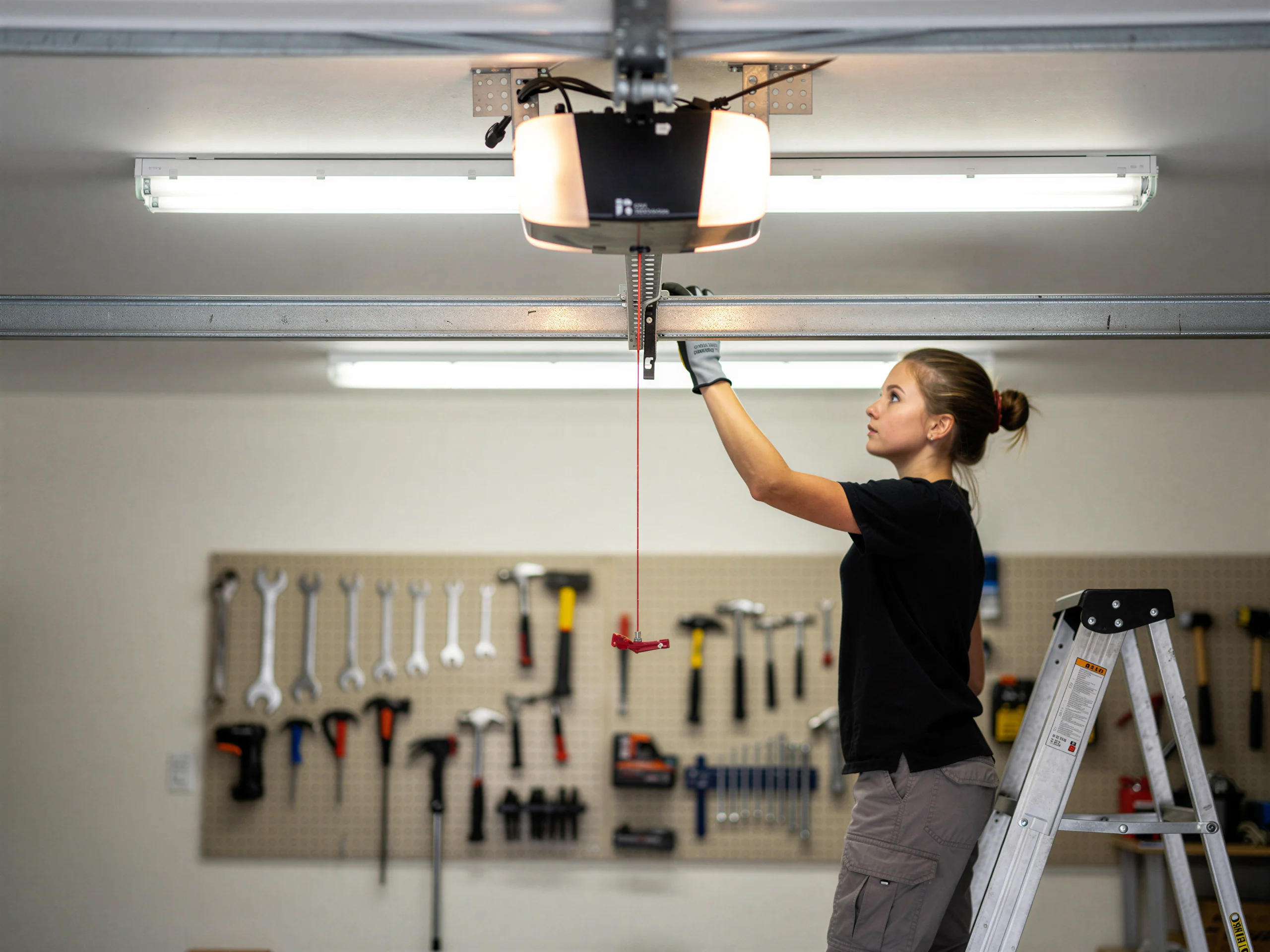
Opener Repair for DeSoto's Early-90s Housing Stock
DeSoto's homes cluster around a 1993 build year, a few years ahead of the wider service area's 1998 median - which means a different generation of opener failing. We cover it from Mesquite.
Time on the Job
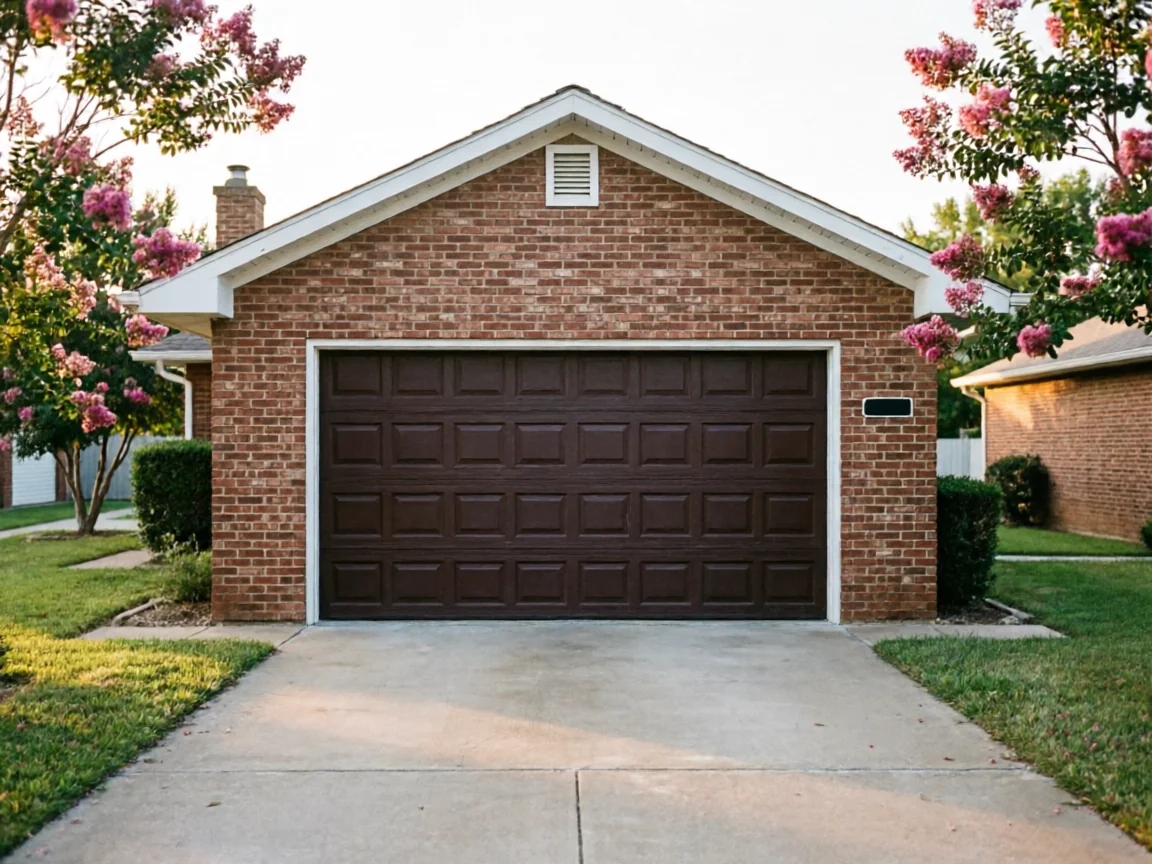
DeSoto's houses went up mostly in and around 1993, a shade earlier than the 1998 median across the broader area we cover from Mesquite. That matters for how a call actually runs.
Original chain-drive openers
A lot of these openers are original or close to it - chain-drive units with steel rail, worn nylon rollers inside the head, and safety sensors that were added or upgraded at some point rather than built in from day one.
Sensor eyes drifted
Most of our time on these jobs goes into testing travel limits, checking the force settings, and swapping sensor eyes that have drifted out of alignment over thirty-odd years of garage door slams and seasonal shifts in the slab. The drive unit itself is often fine - it's everything around it that's tired.
Every call from Mesquite
We don't carry a crew that sits in DeSoto, so every call here comes off the Mesquite truck; that's not a knock on the job, just how the route works. If a part isn't on the truck, we tell you that up front instead of guessing at a fix that won't hold.
What It Costs
We're not going to print a number here that isn't backed by a quote, because opener repair costs swing a lot depending on whether you need a sensor, a logic board, or a full operator. What we will say: DeSoto's median household income sits at $83,256, noticeably below the $104,444 median across the wider area this company serves from Mesquite. That gap shows up in the calls we get - more requests to repair a chain-drive opener that still runs fine mechanically, fewer requests to swap in a new belt-drive unit just because the old one is loud. Both are reasonable. A tired 1990s opener with good gears and a bad logic board is often cheaper to fix than replace. One honest limit: if the motor housing itself is cracked or the gear has stripped, we're not going to chase that repair with a stack of patched parts - at that point a new operator is the better spend, and we'll say so instead of running up a bill on a unit that's done.
Parts We Carry
Given how much of DeSoto's housing stock clusters in that early-90s to 2000s window, we carry what that generation actually needs: replacement photo-eye safety sensors, logic boards for chain and screw-drive operators from that era, drive gears and sprockets, and wall control stations that match the terminal style those openers use. Belt-drive units show up too, mostly in homes built a bit later in that same build-year range, so we stock belts and idler pulleys for those as well. What we don't stock on the truck is anything proprietary to a smart-home opener system tied to a specific manufacturer's app - those boards sometimes need an order, and we'll tell you that lead time before we start the job, not after. For a house with original 1990s hardware, chances are good the fix is sitting in the truck already.
What You Are Seeing
If your opener hums but the door doesn't move, that's usually a stripped drive gear - common once a chain-drive unit from the early 90s has logged its years.
Reversing halfway, check sensors
If the door reverses halfway up for no clear reason, check the sensors first; on houses this age, the eyes have often been bumped, re-aimed badly, or wired with brittle insulation that's starting to crack.
Logic board forgets code
A remote that works sometimes and not others points to a logic board losing its memory of the code, which happens more with age than with distance from the house. And if the light runs but the motor doesn't engage at all, that's frequently a capacitor on the circuit board giving out - not a fault that improves with WD-40 or a reset.
Ordinary wear, no drama
None of these are dramatic failures. They're the ordinary wear pattern of a thirty-year-old machine doing the same job it was built for, just slower and less forgiving than it used to be.
What Causes It Around Here
The heat band for this service area runs moderate, and that steady warm stretch does its work slowly on opener hardware - grease hardens in the gearbox, plastic housings get brittle, and circuit boards run hot in an attic-adjacent garage for years before they finally fail. DeSoto's housing, built mostly in the early-to-mid 1990s window, means a lot of these openers are at or past the point where that heat cycling catches up with them. Compare that to the across-the-board household count for the full area - 89,764 households, 57,766 of them owner-occupied - and DeSoto's roughly similar-era stock is a meaningful slice of why opener calls out this way tend to skew toward end-of-life gear rather than installation damage or storm-related faults. It's less about any one event and more about accumulated years in a hot garage.
Questions
Common questions
Why does my opener work fine most days and then fail randomly?
That pattern usually points to a logic board or capacitor on the way out rather than a clean break. Heat cycling in a warm garage over the years (common across this area, F3) wears those components down gradually, so they fail intermittently before they fail completely. Worth having checked before it strands the door mid-cycle.
Is it worth fixing a 1990s opener or should I replace it?
Depends what's wrong. A bad sensor, board, or gear on an otherwise sound chain-drive unit is usually cheaper to repair. If the motor housing is cracked or the main gear has stripped out, replacement is the better spend - we'll tell you which one you're looking at before we start work, not after.
Do you have a branch in DeSoto?
No - we run out of Mesquite and cover DeSoto on the route, about 20 miles out. Every call here comes off the Mesquite truck, so parts and scheduling work the same as anywhere else we drive to.
Why do DeSoto openers seem older than ones in other parts of the area?
DeSoto's housing clusters around a median build year of 1993, a bit earlier than the 1998 median across the wider service area. More houses here still have original or first-replacement openers from that window, which is why chain-drive units and older sensor setups show up more often on calls out this way.
Explore more
More Services in Desoto

Garage Door Repair
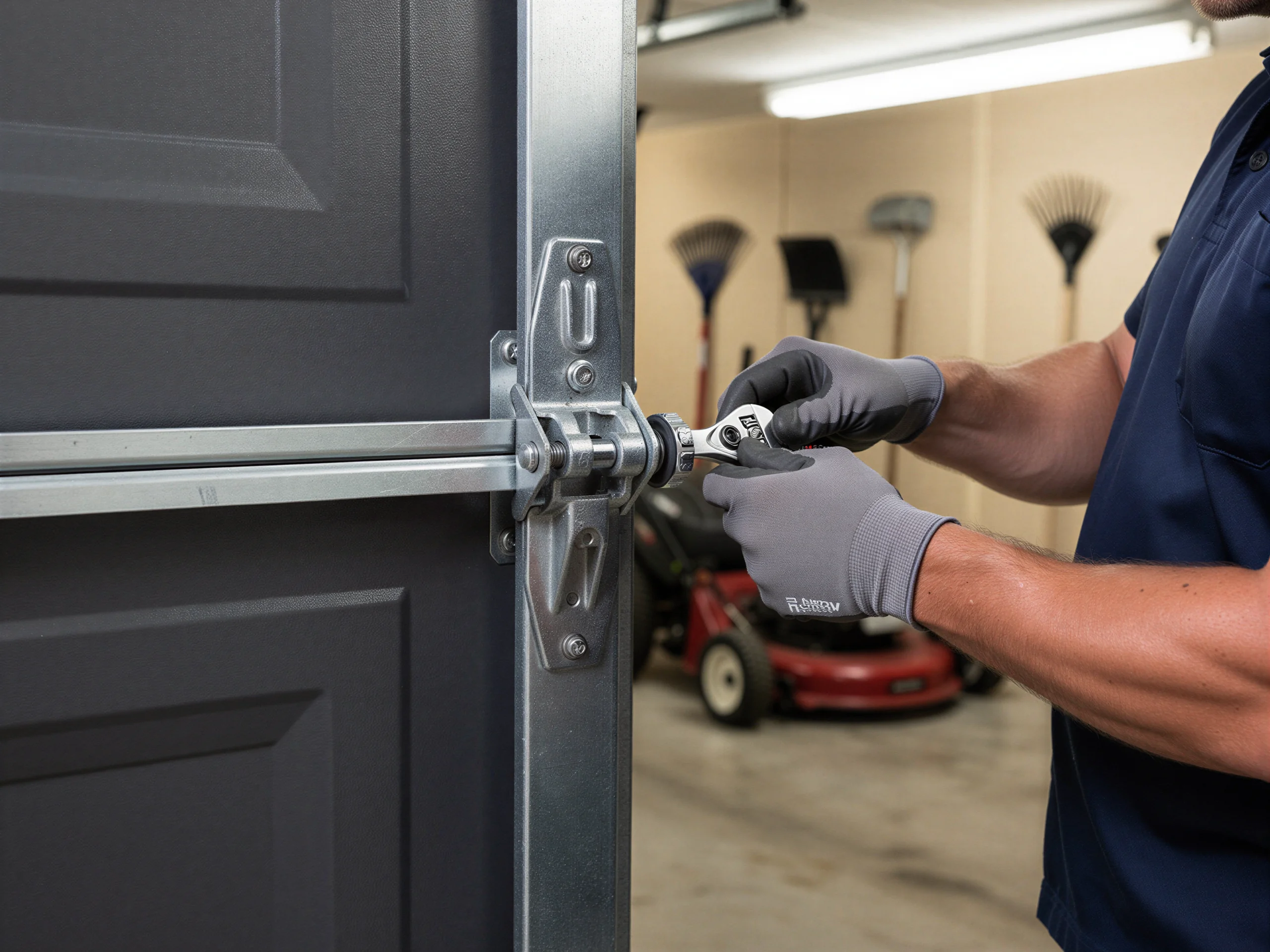
DeSoto homes mostly date to the early 1990s, which means original openers and torsion springs are 30 years old. Learn more →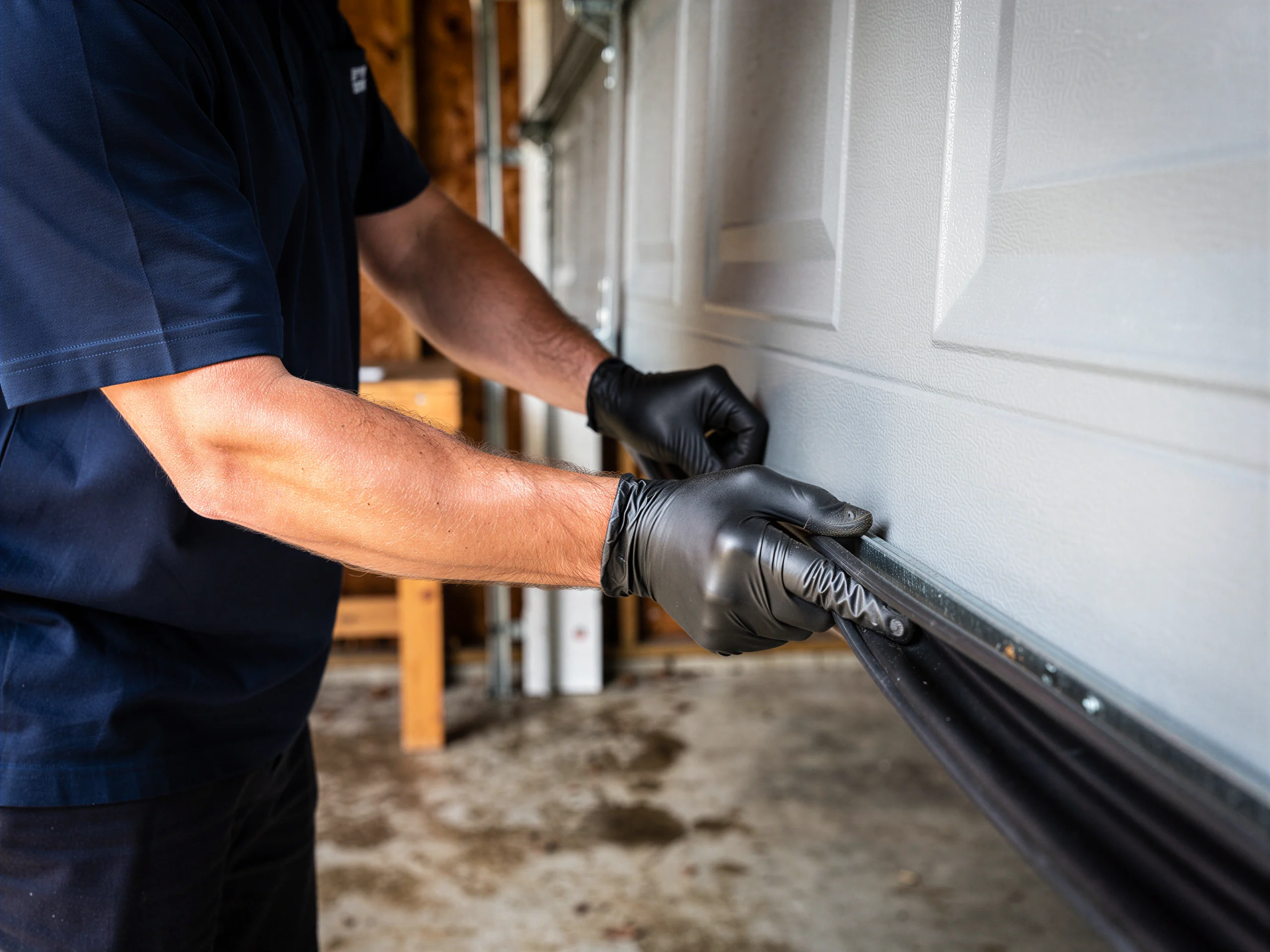
Garage Door Service
Garage door repair and tune-ups for DeSoto's 1990s-era steel sectional doors, serviced from Mesquite. Learn more →
Maintenance
Garage door maintenance for DeSoto's 1990s-era housing stock, scheduled from our Mesquite shop 20 miles away. Learn more →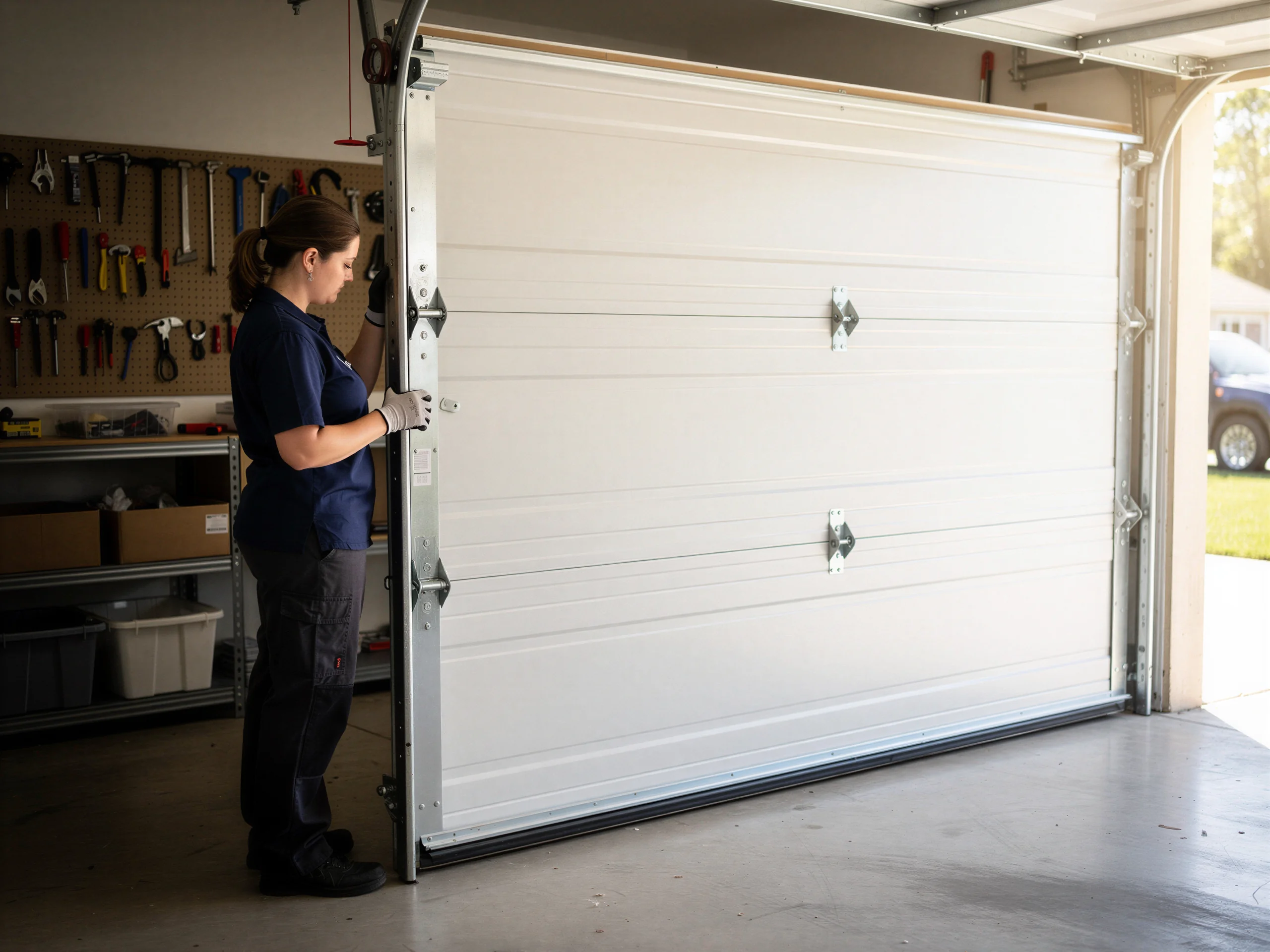
New Door Installation
New garage door installs for DeSoto's early-1990s housing stock, done by Mesquite Garage Door Pros. Learn more →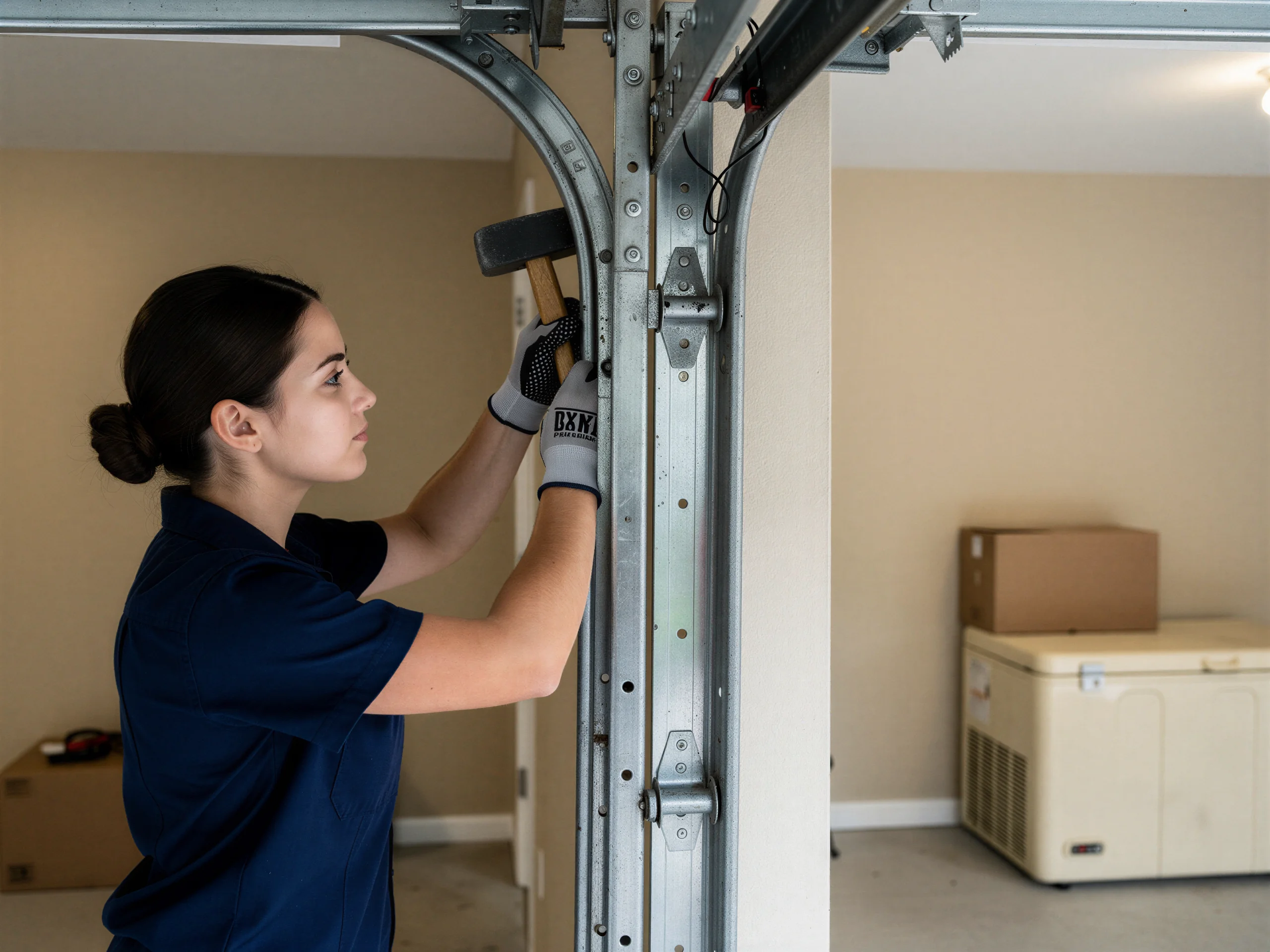
Off Track Repair
DeSoto homes average a 1993 build year and a $83,256 median income - numbers that change whether an off-track door gets fixed or replaced. Learn more →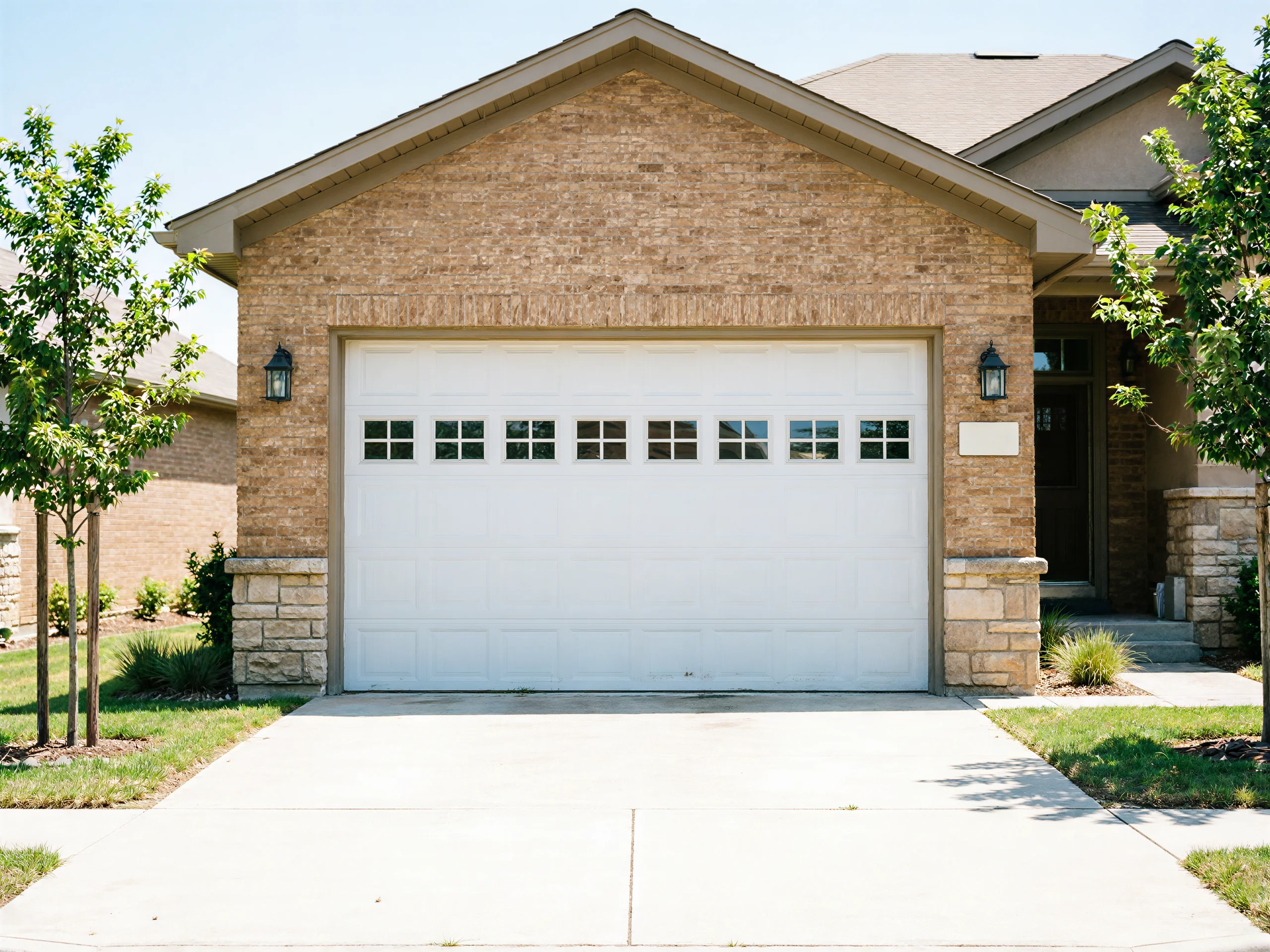
Panel Replacement
DeSoto homes mostly went up in the early 1990s, which means steel sectional doors now showing dents, rust bubbles, and faded panels. Learn more →Ready when you are
Need a garage door sorted in Mesquite?
Mesquite Garage Door Pros repairs and installs garage doors, springs and openers in Mesquite, TX and the surrounding area.