Local detail
The Problem
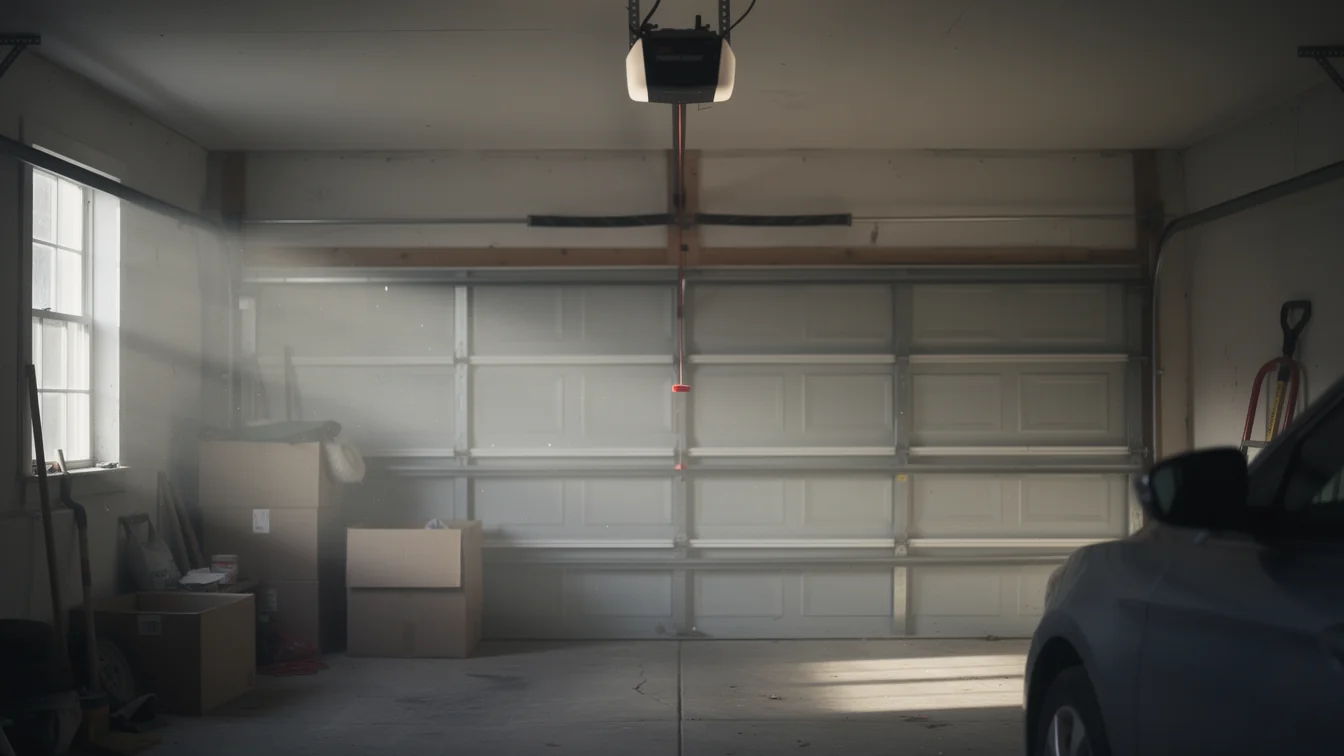
Most of the housing stock in and around Mesquite went up between 1973 and 2013, with the heaviest building push through the 1980s and 90s. That matters on a service call because the springs, drums, cables, and opener gear boxes sitting in a lot of these garages right now are original equipment - builder-grade parts installed when the subdivision went in, not recent upgrades. A homeowner calls because a door is loud, slow, or stuck, but the tech is really walking into a 30-to-40-year-old system and has to figure out how much of it is still safe to run versus how much is on borrowed time. With 57,766 owner-occupied houses across this service area, that's a lot of garages running on first-generation hardware. The confusion starts right there: people think they're booking a quick fix for one symptom, when the real job is figuring out what's actually failing underneath it.
The area
What Most People Get Wrong
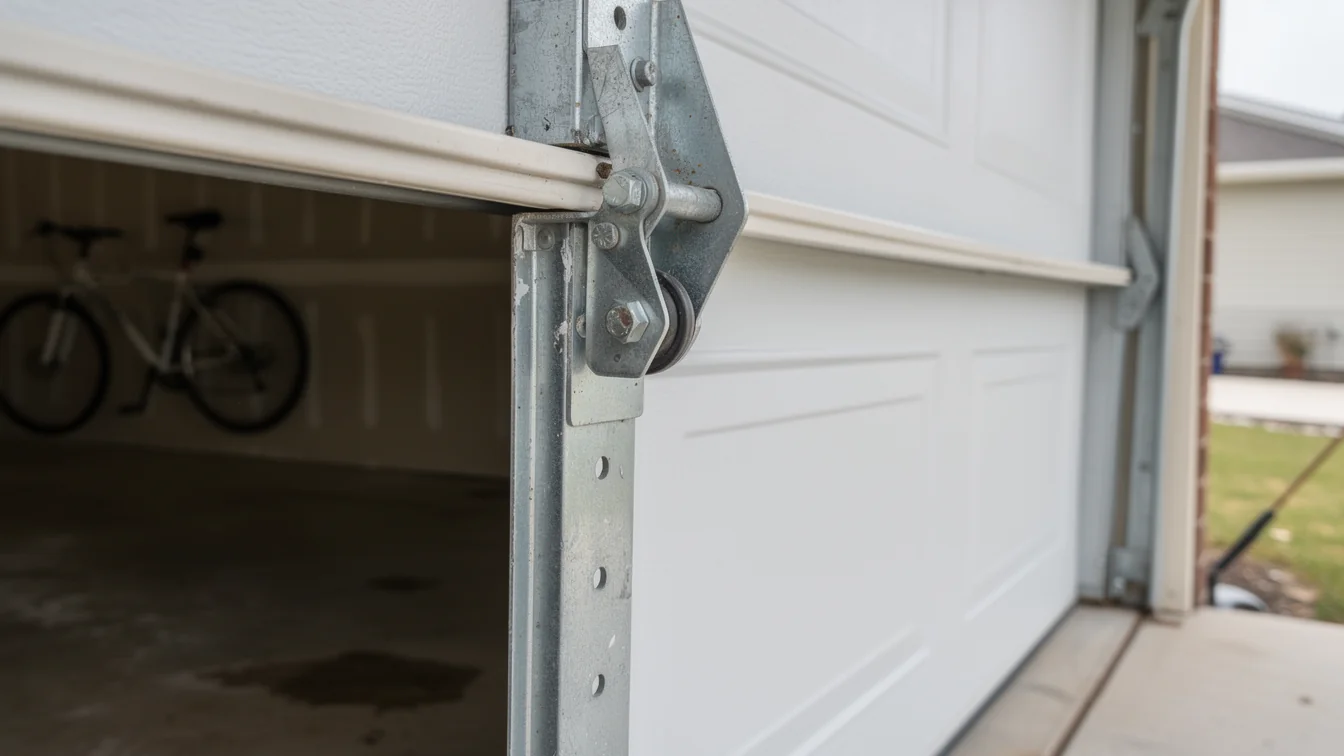
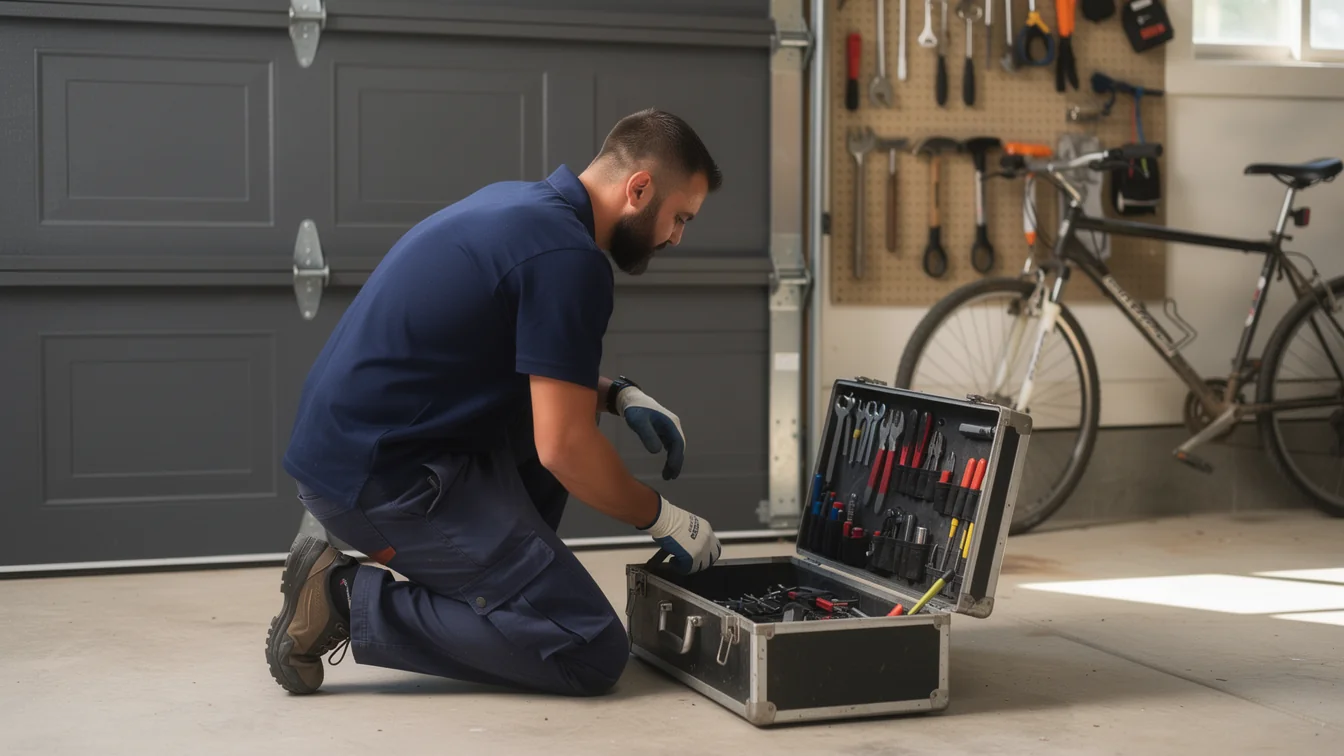
The biggest misread is treating a service call like an oil change - spray some lubricant, call it done. Across the neighborhoods we work, from Creek Crossing Estates a couple miles out to Pleasant Grove and Riverway Estates farther west, a lot of the torsion springs and openers date to that same 1980s-90s construction run. Lubricant doesn't fix a spring that's near the end of its cycle count, and it doesn't fix a logic board in an opener that's older than the car in the driveway. The second thing people get wrong is assuming every noise is a spring problem. Plenty of calls turn out to be a track that's pulled slightly out of alignment or rollers that have worn down to bare metal - different parts, different fix, same age bracket of house behind it. We do a full check of spring tension, cable condition, track alignment, hinges, rollers, and the opener's force settings before we touch anything, because on a house this age, more than one thing is usually close to failing at once.
What we find
How Local Conditions Play In
Mesquite sits in a moderate-heat climate band, and that heat load is doing real work on these older garages. A closed garage in summer runs hotter than the house around it, and that heat cycles the steel track, dries out factory lubricant faster than people expect, and stresses the capacitors and circuit boards inside openers that are already pushing 25 to 30 years old. On a service call, that shows up as a door that struggles more in the afternoon than the morning, or an opener that intermittently drops signal once the garage heats up. It's not dramatic weather - just steady heat exposure, year after year, wearing on hardware that was never built to handle three decades of it. That's part of why a service call on a house from this era often turns into spring replacement plus an opener conversation, not one or the other.
How we work
Season by Season
Heat is the dominant factor here, and it doesn't come and go the way storm damage does elsewhere - it's a steady load that builds through the year. Late spring into summer is when we see the most spring and opener failures, because the metal has expanded, the old lubricant has thinned out or baked off, and a spring that was marginal in March finally lets go in July. Early fall, once the heat eases, is a good window for the inspection itself - checking cable fray, roller wear, and track alignment while the door isn't under maximum thermal stress. Winter here is mild enough that it's not a major factor in most calls, so we don't build a separate winter checklist around it. One limitation worth saying plainly: if a part isn't on the truck - certain opener logic boards especially, given how many different models are still running in homes from this era - the job becomes a diagnosis visit followed by a second visit once the part's in. We'd rather tell you that upfront than promise a one-trip fix we can't back up.
Talk to a local pro
Garage door trouble in Mesquite?
Same-day service with honest, upfront quotes.