Local detail
The Problem
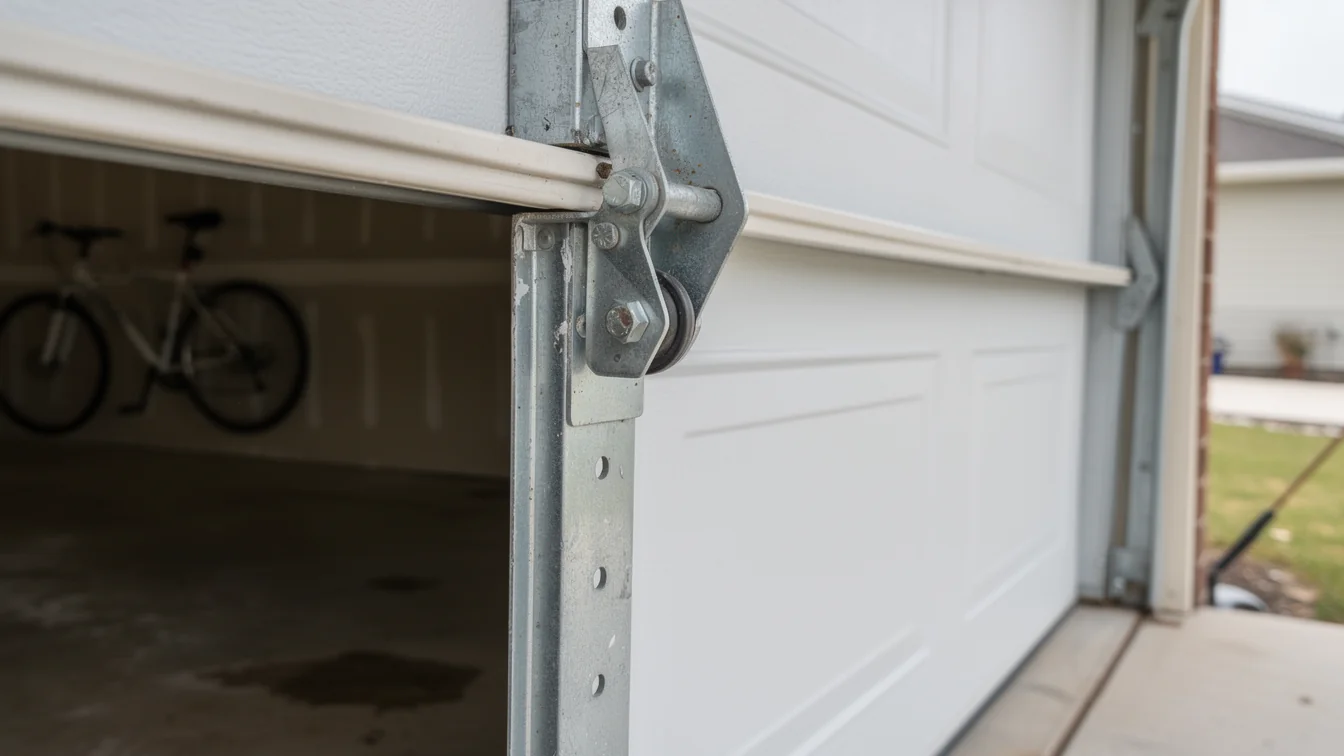
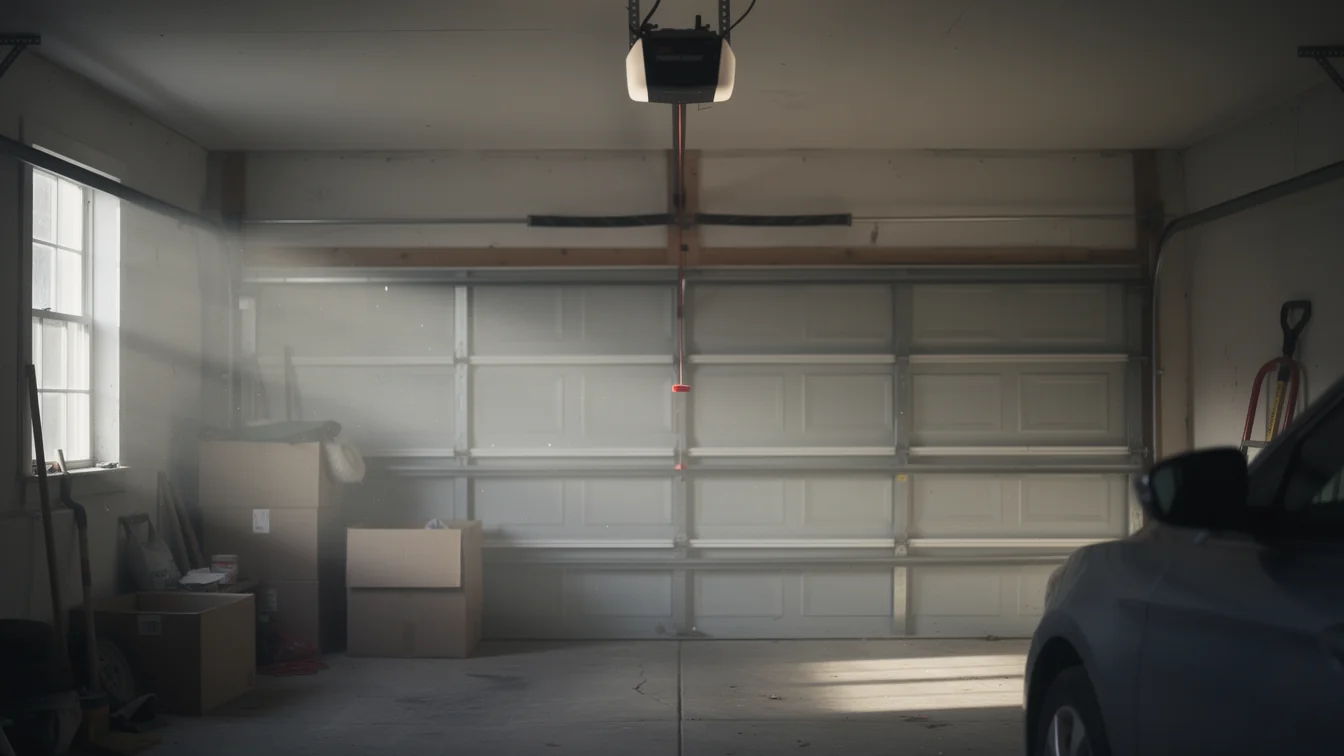
Call us about a stuck or noisy door and the first thing we ask is roughly when the house went up, because in this service area that answers half the diagnostic before we touch anything. Housing stock here runs from 1973 through 2013, with the median landing around 1998. That's a forty-year spread, but it clusters hard into two eras: the steel-panel doors that went up through the 80s and 90s across most of the twenty named neighborhoods we work, and the newer builds from the 2000s on. The older group is the one that generates the service calls. A single-layer steel door with no foam core was standard build-out for that stretch, and it's still hanging on plenty of garages in Creek Crossing Estates, Pleasant Grove, and Casa View Heights. It's not broken by design - it just wasn't built with insulation or weather sealing as a priority, because that wasn't the standard at the time it went in. Thirty-plus years later, the hardware on those doors - springs, rollers, the occasional original opener - is at or past the point where parts wear out faster than people expect, especially once Texas summers have run through a few decades of expansion and contraction on uninsulated steel.
The area
What Most People Get Wrong
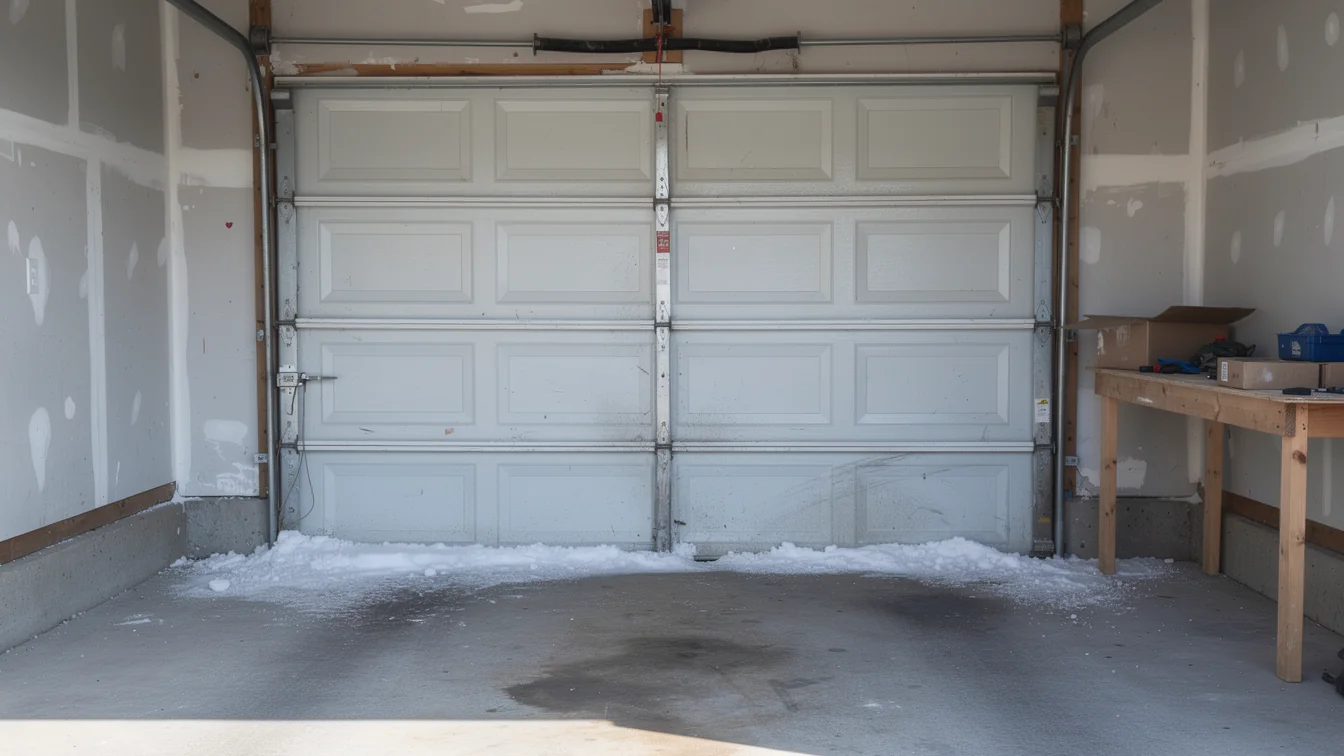
The common mistake is treating every garage door problem as an opener problem, or assuming a new remote fixes a door that won't close right. On a house from the 80s or 90s stock that makes up most of this area, a door that drags, reverses randomly, or won't seal at the bottom is usually a spring or track issue tied to age and heat cycling, not electronics. The second mistake is waiting. A single-layer steel panel with no insulation doesn't fail gracefully - it warps, the seams loosen, and the track alignment drifts slowly enough that nobody notices until the door won't close flush anymore. We also see owners replace a cracked panel on a door that's otherwise original and expect it to match - it rarely does, because steel panel profiles from that era aren't all interchangeable across manufacturers. Sometimes the honest answer is that patching an original 90s-era door costs more in parts-hunting time than a straight replacement, and we'll tell you that up front rather than string out a repair that won't hold.
What we find
How Local Conditions Play In
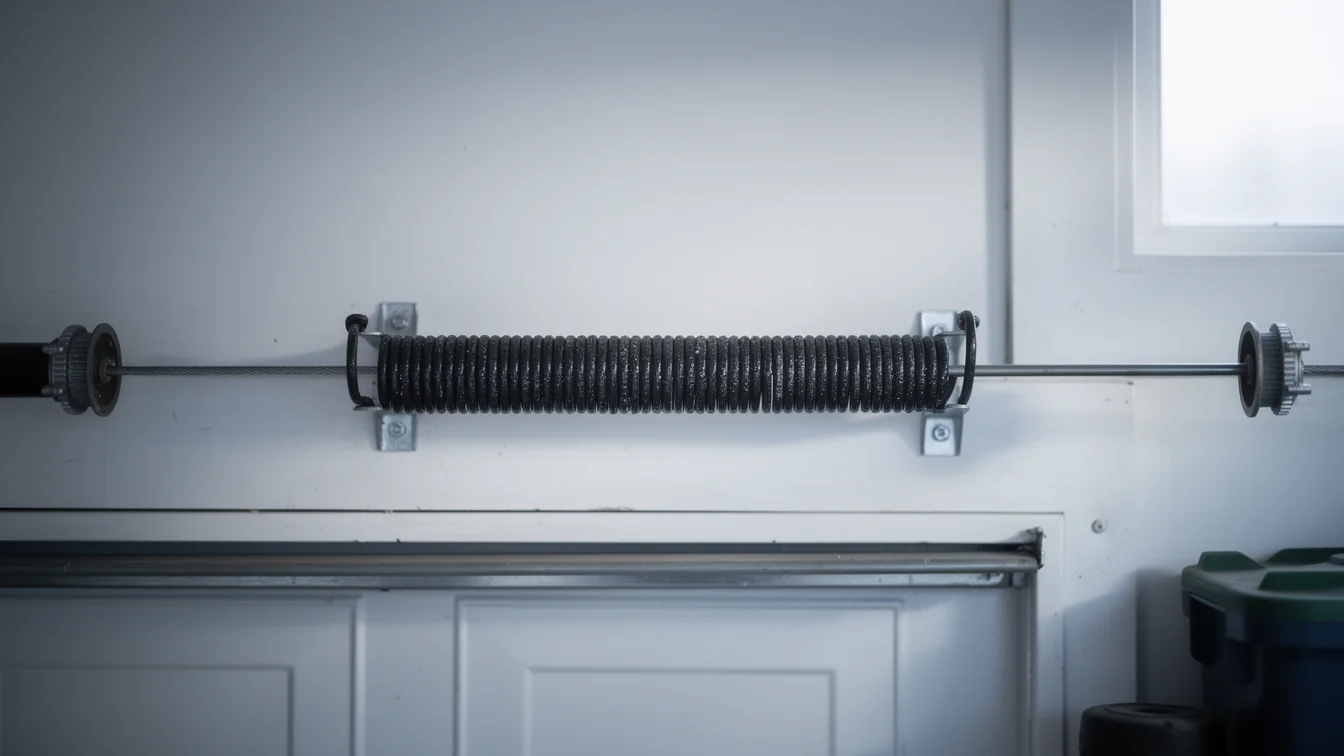
This area sits in a moderate heat climate band, which doesn't sound dramatic next to the extreme-heat zones you hear about, but it still means an attached garage on an uninsulated steel door runs noticeably hotter than the rest of the house for a good chunk of the year. With 57,766 owner-occupied houses across this service area and a median household income of $104,444, we see plenty of owners finishing out garages as workshops or extra living space - and that's exactly where an original, non-insulated 1980s or 90s door becomes the weak point in the room. Heat doesn't just make the space uncomfortable; it accelerates the wear on torsion springs and nylon rollers that are already decades old on that housing stock. None of this is unique to one block - it shows up the same way whether the call comes from three miles out in Sunnyvale or eight miles down toward Seagoville, because the building era and the climate band are shared across that whole stretch.
How we work
Season by Season
Spring and fall are when original hardware tends to announce itself - temperature swings tighten and loosen steel panels enough that a door which was fine all winter suddenly binds or won't seat. Summer is harder on the springs themselves; repeated heat cycling on a thirty-year-old torsion spring shortens what's left of its life faster than a newer, better-wound spring would wear. We don't see the same pattern on houses from the 2000s-plus build-out, where insulated doors and updated hardware are more common - those calls tend to be opener-sensor or remote issues rather than structural ones. We don't do seasonal tune-up contracts, so if you're looking for a scheduled plan, that's not something we offer - what we do is diagnose what your specific door and its age are telling us when you call, whether that's in Balch Springs, Heath, or right here in Mesquite.
Talk to a local pro
Garage door trouble in Mesquite?
Same-day service with honest, upfront quotes.